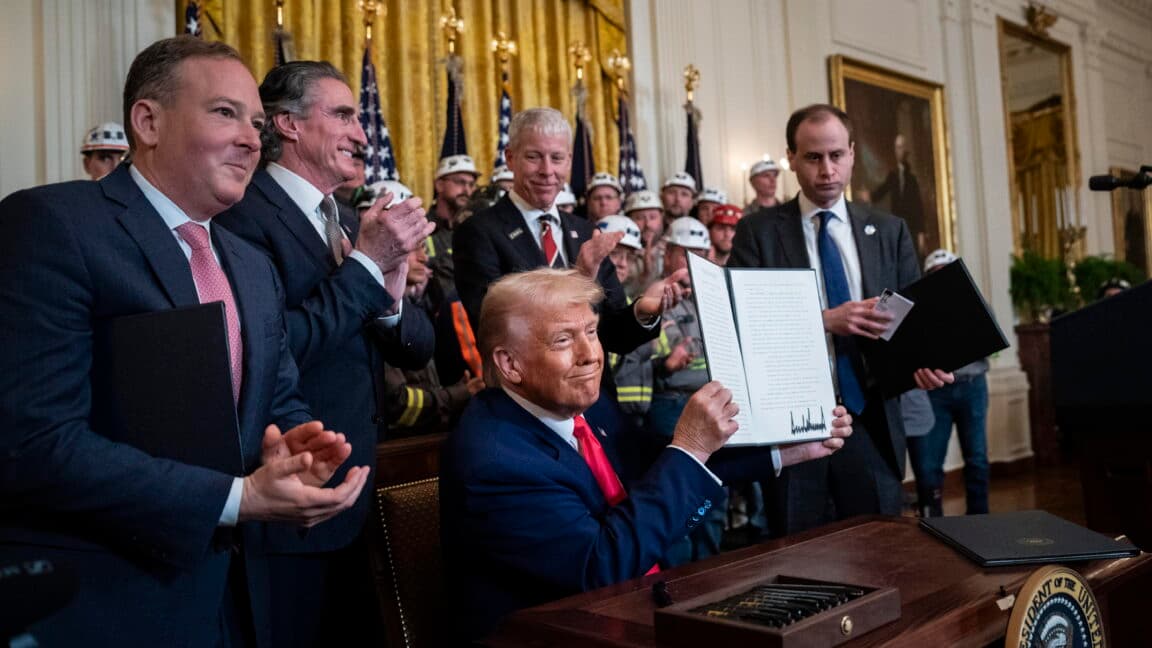

The Trump administration is expected to formally dismantle the foundation of U.S. climate policy this week, a move that could unravel years of environmental regulations. By revoking the endangerment finding, the administration aims to remove the legal basis for federal action on climate change, potentially impacting everything from vehicle emissions to power plant regulations. This decision is not based on new science, but a shift in policy priorities.
Dismantling Climate Policy
Revoking the Endangerment Finding
The core of the issue is the planned revocation of the 2009 "endangerment finding" [2]. This finding, established under the Obama administration, stated that six greenhouse gases endanger public health and welfare, giving the EPA the authority to regulate emissions under the Clean Air Act [2]. Repealing this finding removes the legal basis for many existing climate regulations.The Trump administration argues that these regulations are costly and hinder economic growth. A White House spokeswoman stated the move would "further unleash American energy dominance and drive down costs" [1]. However, critics argue this decision prioritizes short-term economic gains over long-term environmental consequences.
Impact on Vehicle Emissions and Beyond
The immediate impact will likely be on vehicle emissions standards. The repeal could undo regulations that tighten fuel-economy standards for cars and trucks [2]. The EPA under the previous administration projected significant benefits from these rules, including reduced fuel costs and maintenance for drivers, and overall net benefits of $99 billion annually through 2055 [3].Beyond vehicle emissions, the move could have wider implications. The administration may use this as a precedent to unwind regulations in other sectors, such as power plants and industrial facilities [2]. This could lead to increased greenhouse gas emissions and a reversal of progress made in reducing the nation's carbon footprint.
Legal and Political Challenges
This decision is expected to face legal challenges. Environmental groups and states are likely to sue the EPA, arguing that the repeal is based on flawed legal reasoning and ignores scientific evidence [2]. The legal battles could take years to resolve, creating uncertainty for businesses and regulators.“President Trump will be taking the most significant deregulatory actions in history to further unleash American energy dominance and drive down costs,” said White House spokeswoman Karoline Leavitt [1]. This statement highlights the administration's focus on deregulation and energy production, despite concerns about climate change.
What's Next
- Expect legal challenges from environmental groups and states seeking to block the repeal.
- Monitor regulatory changes in other sectors, such as power plants and industrial facilities, as the administration seeks to further roll back climate regulations.
- Watch for potential impacts on international climate agreements and collaborations.
Why It Matters
- This decision signals a significant shift in U.S. climate policy, moving away from federal regulation of greenhouse gas emissions.
- The repeal could have far-reaching consequences for the environment, potentially leading to increased pollution and exacerbating climate change.
- It could impact the competitiveness of U.S. industries, particularly in sectors that are transitioning to cleaner technologies.
- The move highlights the ongoing political polarization surrounding climate change, making it difficult to achieve consensus on effective solutions.
- The decision could weaken international efforts to address climate change, as other countries may be less willing to commit to ambitious targets if the U.S. reduces its own efforts.