Back to Articles
Consumer Tech
|2 min read|

Uber Is Now at the Center of the Robotaxi Era

Uber Is Now at the Center of the Robotaxi Era
Trending Society

AI Overview

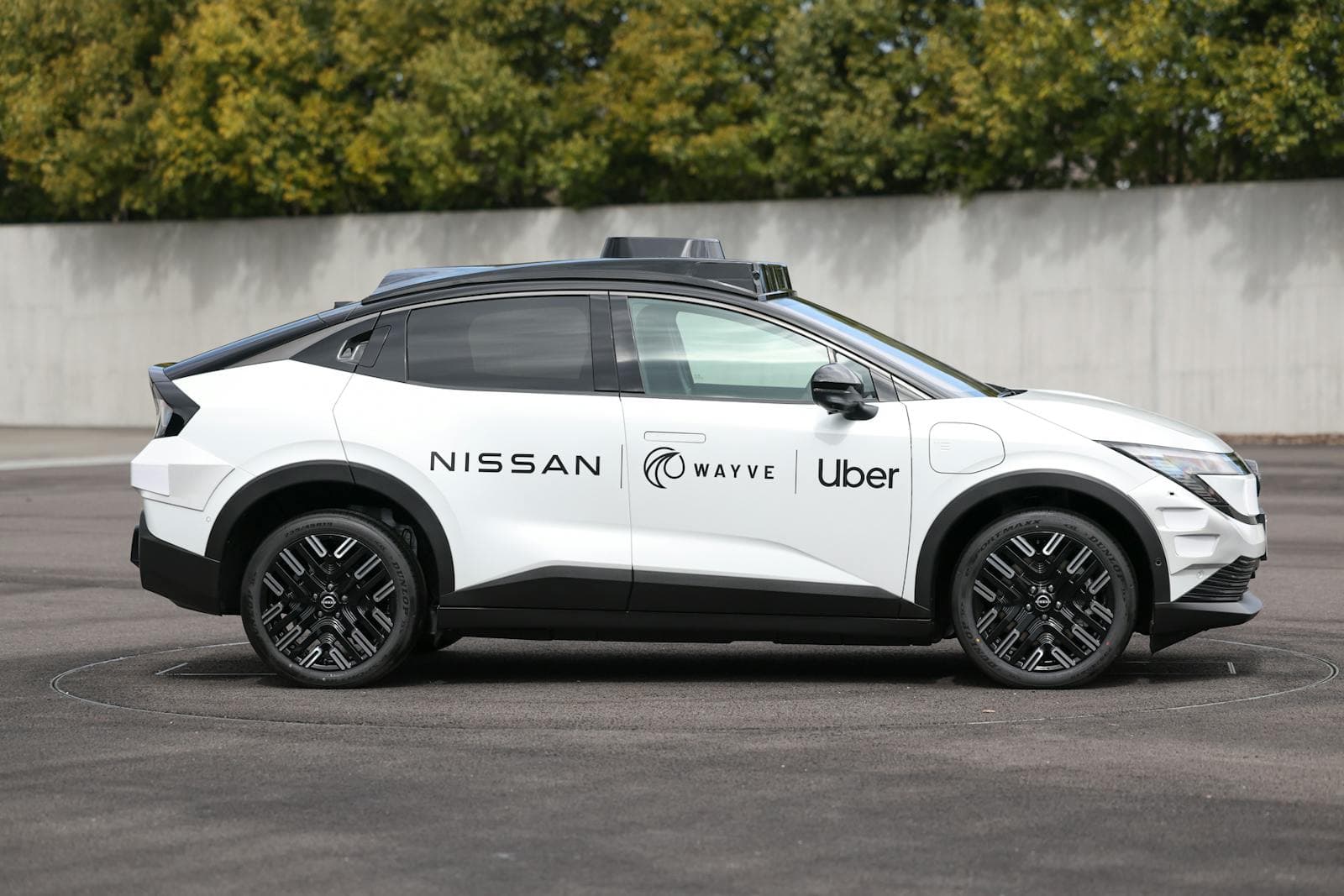
  • Uber will launch robotaxi services in Tokyo by late 2026, partnering with Nissan and Wayve.
  • Amazon-owned Zoox will integrate its robotaxis onto the Uber app in Las Vegas this summer,…
  • The company has forged over 20 AV partnerships globally, diversifying its autonomous fleet strategy.
  • Uber's asset-light approach lets it tap into the robotaxi market's growth without bearing the high…
Uber, once an ambitious developer of its own self-driving cars, has radically pivoted its strategy, emerging as a central orchestrator in the robotaxi market. The company is forging a vast network of partnerships with autonomous vehicle (AV) pioneers, including a recent deal with Nissan and Wayve to launch robotaxi services in Tokyo by late 2026, according to The Wall Street Journal. This shift positions Uber to dominate the rollout of driverless rides globally without the steep costs of in-house AV development.

From Developer to Robotaxi Ringmaster

After selling off its own self-driving unit in 2020, Uber re-entered the autonomous vehicle arena with a partnership-first strategy. This move positions the ride-hailing giant to capitalize on what its CEO, Dara Khosrowshahi, calls a "multi-trillion-dollar opportunity" Sherwood News. The Tokyo launch, integrating Wayve's AI Driver system into Nissan Leaf vehicles for Uber riders, is a key step in this expansion, with aims to reach 10 global markets.

Uber's simultaneous offensive in the U.S. is equally aggressive. The platform announced a multiyear partnership with Amazon-owned Zoox. This collaboration will see Zoox's distinctive toaster-shaped robotaxis become available on the Uber app, starting in Las Vegas this summer and expanding to Los Angeles next year, as CNBC reports. It's a two-pronged attack to integrate autonomous fleets into its existing ride-hailing infrastructure.

Why the Hybrid Model Works

The company's shift to a hybrid model, combining its vast network of human drivers with a growing fleet of autonomous vehicles through partnerships, is a critical differentiator. Uber now has over 20 partnerships spanning nearly every major AV player, including Baidu, Alphabet's Waymo, and WeRide. This extensive diversification provides "broad-based geographic coverage and reduces reliance on any single provider," according to Jefferies analysts.

Instead of sinking billions into self-driving R&D, Uber leverages the specialized technology its partners have already built. This lets the company access the robotaxi market's potential while sidestepping the capital expenditures and regulatory hurdles that come with developing proprietary AV solutions. Most analysts stop here. The real story is what happens next. Uber's goal: driverless rides in 15 cities by the end of 2026.

View on Reddit

This reshapes the competitive landscape. By becoming the dominant aggregator for multiple robotaxi providers, Uber isn't just surviving the robotaxi era; it's actively defining it. This asset-light approach shields Uber from the individual failures or delays of any single AV partner, creating a resilient, scalable model.


What This Means For You

1

For Developers & Innovators

Uber's open partnership model signals a robust market for specialized AV software and hardware. Focus on developing niche, robust autonomous solutions that can integrate seamlessly with aggregator platforms. For Founders & Investors: The "aggregator" model is validated. Instead of competing to build an entire robotaxi stack, consider building components or services that can be licensed to companies like Wayve or Zoox, who then partner with Uber. For Consumers: Expect a faster rollout of robotaxi services in more cities. Uber's diversified approach means greater access to autonomous rides sooner, with varied vehicle types and underlying technologies. For Ride-Hailing Industry Stakeholders: Uber's move demonstrates that owning the user interface and logistics network can be more strategic than owning the entire vehicle stack in the autonomous future. Frequently Asked Questions What is Uber's core strategy with robotaxis now? Uber's core strategy has shifted from developing its own self-driving technology to partnering with multiple autonomous vehicle (AV) companies. This allows Uber to integrate diverse robotaxi fleets into its existing ride-hailing app, expanding services globally without the significant R&D costs. How many robotaxi partnerships does Uber currently have? Uber has forged partnerships with over 20 autonomous vehicle players worldwide. This includes major companies like Baidu and Alphabet's Waymo, ensuring a broad geographic reach and reducing dependency on any single technology provider. When and where will Uber's new robotaxi services launch? Uber plans to launch robotaxi services in Tokyo by late 2026 through a partnership with Nissan and Wayve. Additionally, Amazon's Zoox will deploy its robotaxis on the Uber app in Las Vegas this summer, followed by Los Angeles next year. Research Sources

FAQ

Uber will launch robotaxi services in Tokyo by late 2026 through partnerships with Nissan and Wayve. They are also partnering with Zoox to offer robotaxi rides in Las Vegas this summer, expanding to Los Angeles next year. Uber aims to expand robotaxi services to 10 global markets.

Uber exited self-driving development to focus on partnering with autonomous vehicle companies. This allows them to capitalize on the robotaxi market without the high costs and risks associated with developing their own self-driving technology. Uber's CEO sees this as a "multi-trillion-dollar opportunity."

Uber has formed partnerships with several autonomous vehicle companies, including Nissan, Wayve, and Zoox. The partnership with Nissan and Wayve will bring robotaxis to Tokyo, while the collaboration with Zoox will launch robotaxi services in Las Vegas and Los Angeles. Uber has over 20 AV partnerships globally.

Uber previously invested heavily in developing its own self-driving technology but now uses a partnership-first strategy. This allows Uber to integrate autonomous vehicles into its ride-hailing platform without the high R&D costs. Uber is leveraging existing technology developed by its partners.

Uber's partnership approach allows them to tap into the robotaxi market's potential while avoiding the capital expenditures and regulatory hurdles of developing proprietary AV solutions. This strategy provides broad geographic coverage and reduces reliance on any single provider. Uber can focus on its core ride-hailing business while expanding into autonomous transportation.

Related Articles

More insights on trending topics and technology

Newsletter

Stay informed without the noise.

Daily AI updates for builders. No clickbait. Just what matters.