
From Water to Watts: General Galactic's Bold Plan
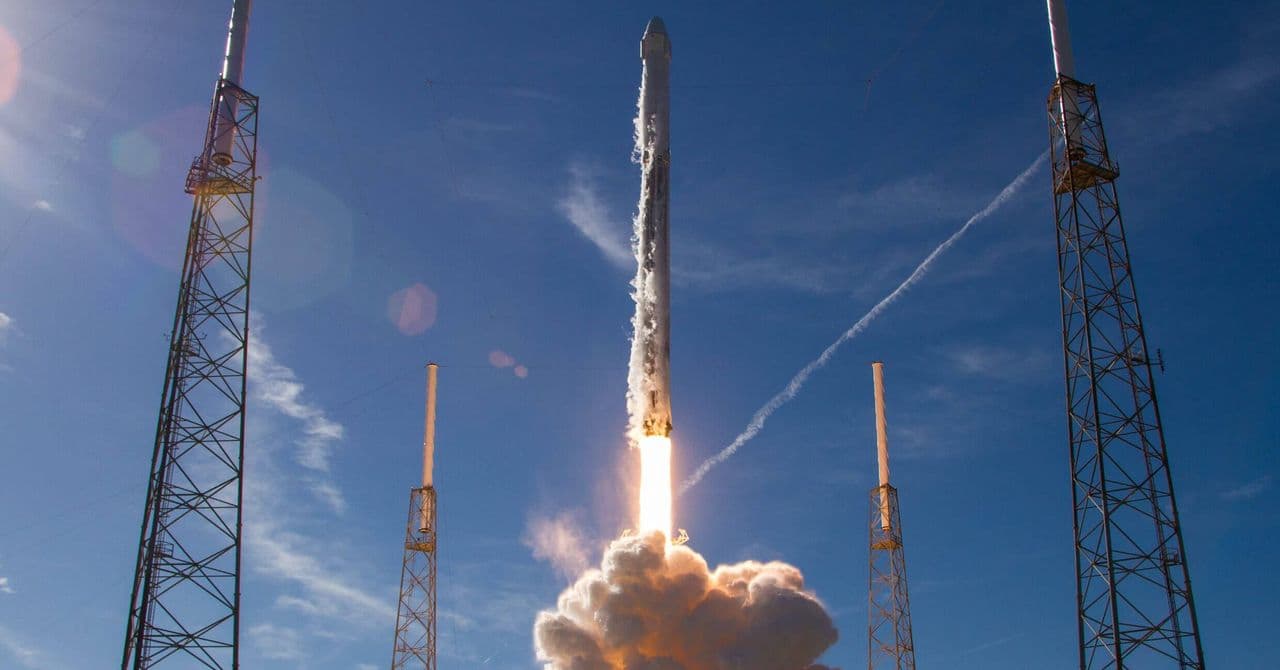
Halen Mattison, CEO and former SpaceX engineer, along with CTO Luke Neise, a Varda Space veteran, are behind General Galactic's ambitious endeavor [1]. They've secured a spot on a Falcon 9 rocket for a launch scheduled for October or later this fall. Their plan involves using water as the sole propellant for an 1,100-pound satellite.The Science of Water-Based Propulsion
General Galactic's approach uses electrolysis (splitting water into hydrogen and oxygen) and then combusting those elements for thrust. "That’s called chemical propulsion, and every big rocket you’ve ever seen take off uses some variation of that method, because it provides a lot of thrust, even if it’s not terribly efficient," Mattison said [1]. While not as efficient as other methods, chemical propulsion offers substantial thrust.Maneuverability and Responsiveness
The startup isn't just aiming for efficiency; they want to demonstrate rapid response capabilities. "The idea is to show 'we can provide both the long-efficiency maneuver but also sometimes folks need to get somewhere fast or respond really quickly to a dramatic event in the orbital environment,'" said Neise [1]. This agility is crucial for satellites navigating increasingly congested and contested orbits.Challenges and Skepticism
Turning water into rocket fuel is technically difficult. "It's not an easy element to work with," said Ryan Conversano, a former Jet Propulsion Laboratory technologist consulting for General Galactic [1]. Overcoming these challenges is essential for realizing the potential benefits of water-based propulsion.What's Next
The critical event is the planned satellite launch this fall. The success of the in-orbit test will determine whether General Galactic can proceed with its long-term vision. Keep an eye on launch schedules and early reports on the satellite's performance in space.Why It Matters
- Strategic Advantage: A successful water-based propellant system could make US satellites more maneuverable, a key advantage amid rising concerns about potential conflicts in space, directly addressing national security needs.
- Economic Implications: General Galactic envisions building a "gas station on Mars" [1], hinting at a future where in-space refueling becomes commonplace, drastically reducing the cost and complexity of deep-space missions.
- Scalability: The company plans to fly an 1,100-pound satellite [1], an important step towards scaling the technology for larger spacecraft and more ambitious projects.
- Resource Utilization: If successful, this technology opens the door to utilizing water found on the Moon, asteroids, or Mars to create propellant, reducing the need to transport fuel from Earth.
FAQFrequently Asked Questions
Yes, a startup called General Galactic is working to use water as rocket propellant. They plan to launch a satellite this fall that will be propelled solely by water, using electrolysis to split the water into hydrogen and oxygen, which are then combusted for thrust.
Water-based rocket propulsion works by using electrolysis to split water into hydrogen and oxygen. These elements are then combusted to generate thrust, similar to traditional chemical propulsion methods used in many large rockets. While not the most efficient method, it provides substantial thrust.
Using water as rocket fuel could revolutionize space travel by enabling in-space refueling and reducing the cost and complexity of deep-space missions. General Galactic even envisions building a "gas station on Mars." It also allows for the utilization of water found on the Moon, asteroids, or Mars to create propellant.
General Galactic is planning to launch their 1,100-pound satellite sometime in October or later this fall. The launch will use a Falcon 9 rocket, and the success of this in-orbit test will be crucial for the company's long-term vision of water-based propulsion.
General Galactic aims to demonstrate both efficient long-range maneuvers and rapid responses to orbital events with their water-based propulsion system. Their ultimate goal is to establish a broader in-space refueling network, including a "gas station on Mars," to make space travel more accessible and sustainable.