
Bridging Prompt to Production
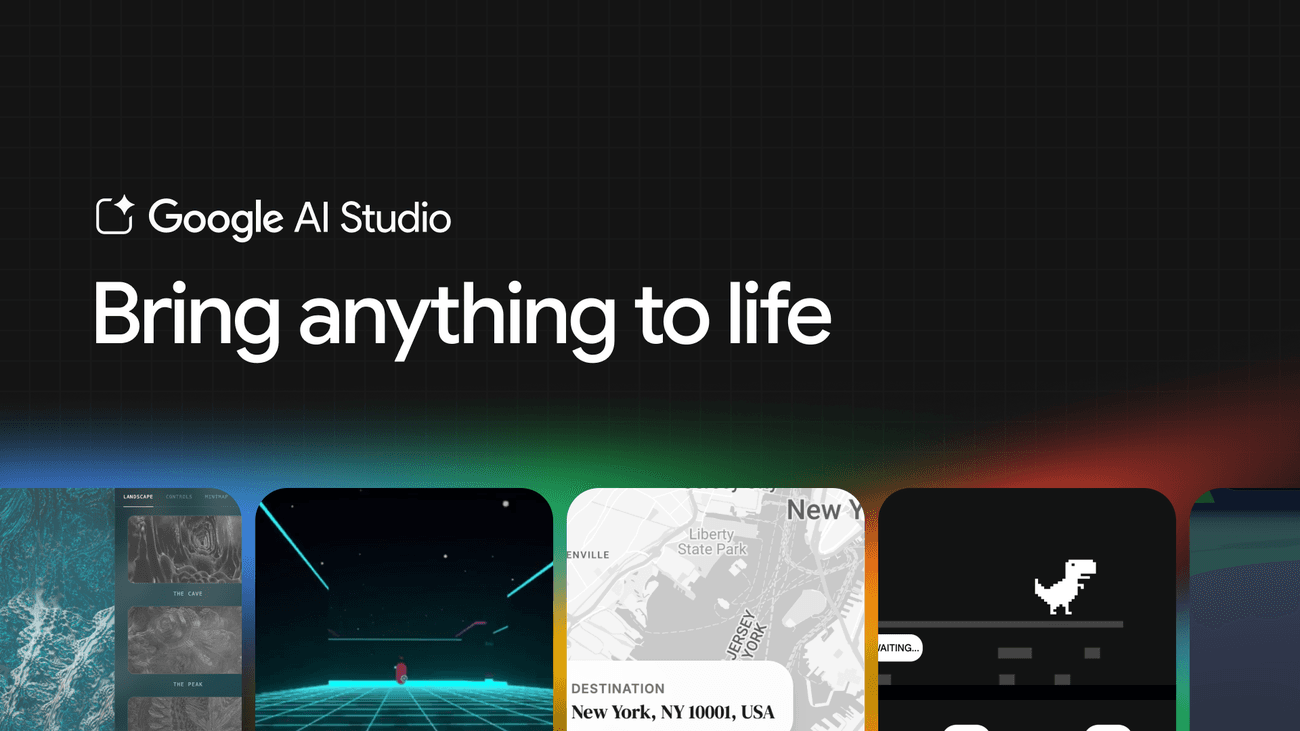
The new full-stack vibe coding experience in Google AI Studio aims to revolutionize app development by enabling users to turn high-level descriptions into functional software. This capability extends beyond basic prototypes, allowing for the creation of robust applications without needing to leave the AI Studio environment. The underlying technology features the Google Antigravity coding agent.Antigravity now deeply understands an entire project structure and chat history. This enables faster iteration and precise multi-step code edits for complex applications. A crucial addition is the integrated Firebase backend, which provides secure storage via Cloud Firestore for databases and Firebase Authentication for secure user sign-in with Google.
The platform supports building multiplayer experiences, such as real-time games and collaborative workspaces. It also integrates modern web tools like Framer Motion for animations and Shadcn for professional icons. Users can connect to real-world services by securely storing API credentials in the new Secrets Manager, turning concepts into utilities that fetch live data from sources like Google Maps.
This powerful agent also remembers where users left off, allowing seamless access to data across devices and sessions. Internal teams have already utilized this new experience to build hundreds of thousands of applications over the last few months, according to Google's blog. Google plans further integrations with services like Workspace to connect Drive and Sheets, alongside a one-click deployment to Google Antigravity.
The Engineering Mindset for AI-Generated Code
While vibe coding, or creating software through AI prompts, significantly lowers the barrier to entry, building valuable applications still demands a strategic approach. Forbes highlights that merely generating code with AI is insufficient; understanding software engineering principles ensures coherent, usable, and trustworthy tools. This means adopting a mindset of structured thinking, planning, and anticipating potential failures.Many aspiring vibe coders make the mistake of immediately asking AI to generate code. Instead, beginning with a prompt to plan the application's architecture, features, and flow forces the AI model to think critically before touching the code, as Business Insider reports from a vibe coding workshop. This approach helps prevent issues like an app trying to pull too much information, causing crashes.
Google's own "Stitch" tool for vibe design exemplifies how AI can expedite UI creation, reducing development time from days to minutes, per The Register. Stitch allows users to generate user interfaces from prompts and link them with coding assistants like Antigravity. Despite these advancements, maintaining human oversight remains critical. The ultimate success of an AI-generated app hinges on aligning its functionality with strategic business objectives.