
What's Changing for Gemini API Developers?
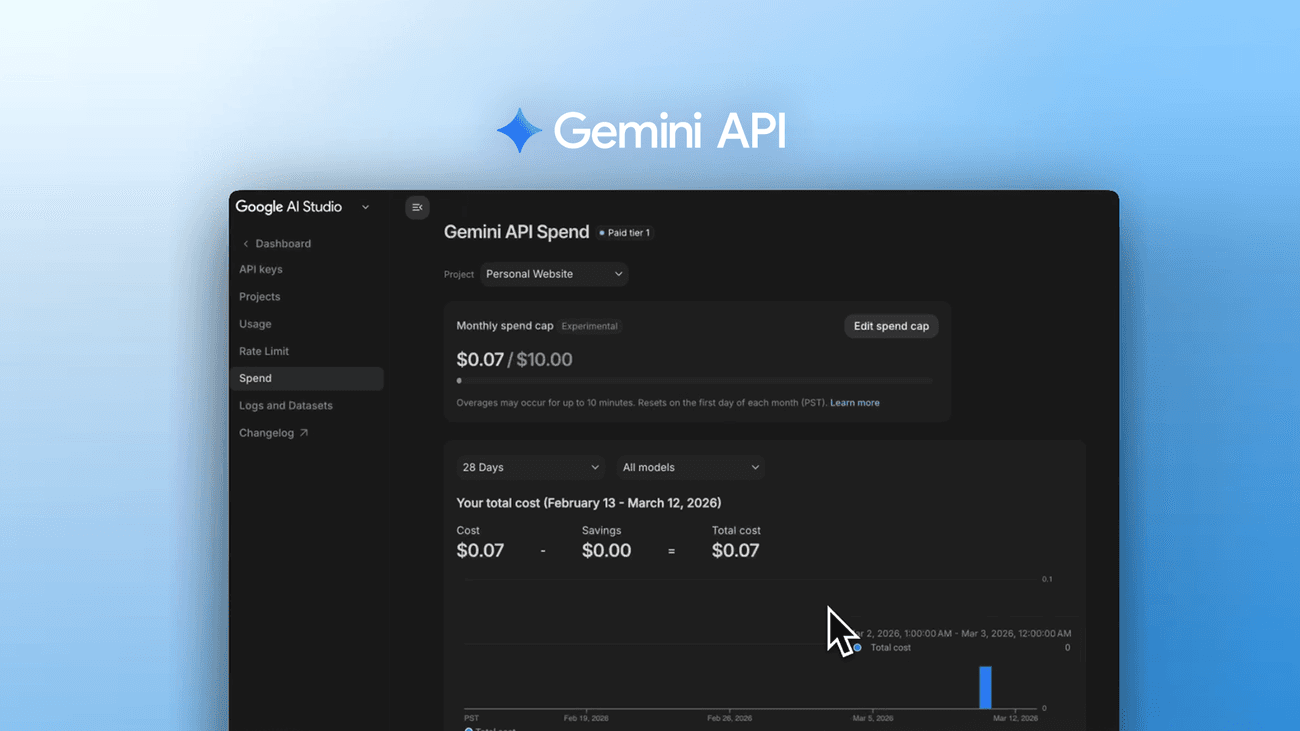
Google has rolled out "Project Spend Caps" within Google AI Studio, allowing developers to establish a clear monthly dollar limit for Gemini API usage on individual projects. This limit remains active until modified, offering consistent oversight, especially for accounts managing multiple AI initiatives. While these caps activate with a ~10 minute delay, they empower project owners to proactively manage expenses.The company also revamped its Usage Tiers to facilitate faster scaling and ensure equitable API access. These tiers, which manage aggregate load, now feature lower spend qualifications and automatic upgrades. As usage grows and payment history matures, the system automatically elevates projects to the next tier, granting access to higher rate limits and increased monthly quotas.
Every Usage Tier now includes a system-defined maximum monthly spend limit, enforced across the entire billing account. This cap automatically increases as projects advance through tiers and operates independently of the custom Project Spend Caps set by developers, according to Google's official announcement. These changes provide both granular control and predictable scaling paths for AI development.
Enhanced Visibility and Streamlined Management
Beyond spend controls, Google has introduced a suite of updates in Google AI Studio to improve the overall billing experience, observability, and cost management for developers. A new billing setup allows configuration of billing profiles directly within the studio settings, eliminating the need to navigate multiple windows. This integration ensures a smoother process for scaling applications.
Developers now benefit from a new rate limit dashboard, offering a clear view of progress toward rate limits for every project. This dashboard tracks key metrics like Requests Per Minute (RPM), Tokens Per Minute (TPM), and Requests Per Day (RPD), allowing users to filter graphs to identify traffic spikes across different AI models. Complementing this is a new cost dashboard, providing a Daily Cost Breakdown Graph within the Billing Dashboard. This tool visualizes project costs over various time frames, from the last 7 days to the entire month, with filtering options by model.
An expanded usage dashboard delivers a comprehensive view of system performance. It moves beyond standard request counts to include error metrics, token usage, and specific generation statistics. Dedicated graphs for Imagen and Veo requests per day, alongside tools like Grounding with Google Search and Maps, ensure developers have detailed insights into their AI applications. These improvements aim to foster more confident building with the Gemini API.
The Bigger Picture
These API updates reflect Google's broader strategy to embed Gemini deeply across its ecosystem, from developer tools to consumer applications.- Wider Accessibility: Google has expanded its Personal Intelligence feature to all free-tier users in the U.S., allowing Gemini to personalize responses using data from connected Google apps like YouTube and Google Photos, according to The Verge.
- App Automation: Gemini’s screen automation feature is rolling out on the Galaxy S26 series, enabling the AI to control apps and complete multi-step tasks such as ordering food or booking rides.
- Workplace Integration: In Google Workspace, Gemini powers practical tools for summarizing, drafting content, organizing data, and scheduling meetings based on collective calendars, as noted by TechCrunch.
- Privacy Focus: Google states that Gemini and AI Mode do not train directly on sensitive personal data like Gmail inboxes, instead using limited information from prompts and model responses.