
Unlocking New Multitasking Possibilities
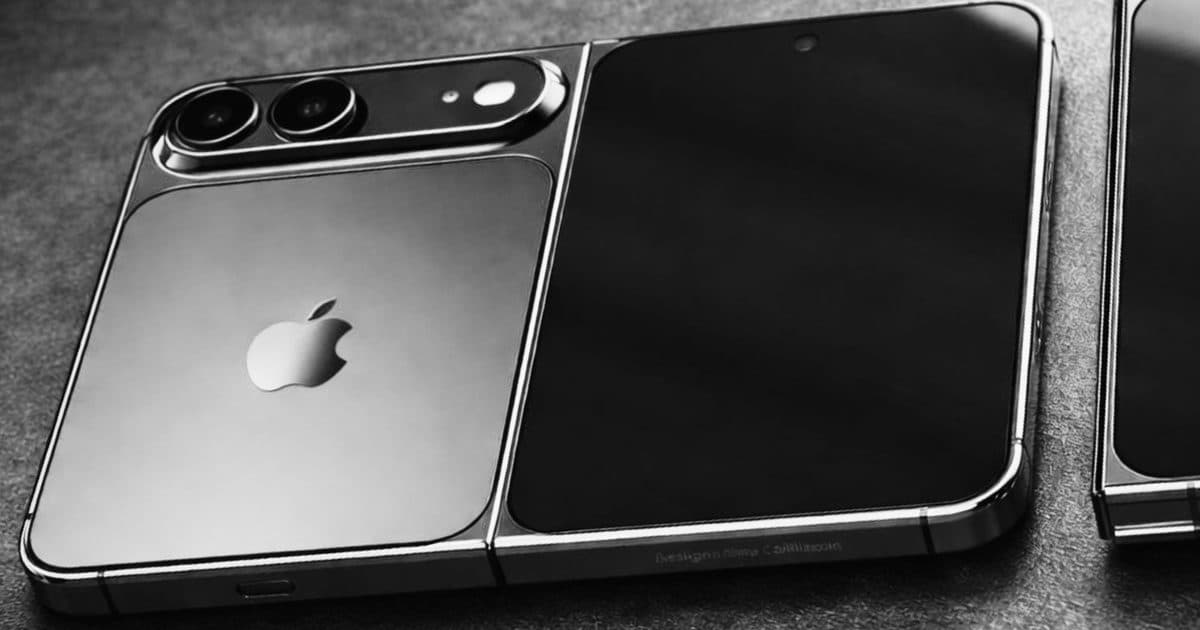
The core of the foldable iPhone's innovation lies in its redesigned interface, optimized for a larger, folding screen. This device will feature an interior foldable display roughly the size of an iPad Mini's screen, according to Bloomberg. When unfolded, the operating system is being specifically tailored to behave more like an iPad, expanding apps into wider layouts and enabling simultaneous use of two applications.While the device will run iOS, not iPadOS, the focus is on a tablet-like experience in a portable form factor. 9to5Mac reports that Apple is developing new iOS app layouts and revamping its core iPhone programs to include sidebars along the left edge of the screen, mirroring many of its iPad apps . This design ensures that developers can adapt their existing iPhone software for the new interface, which will utilize proportions similar to an iPad in landscape mode.
Design Choices and Feature Set
Apple's approach to its first foldable contrasts with some existing designs in the market. The inner screen is rumored to have a wider aspect ratio, making it well-suited for side-by-side applications and media consumption. However, a key distinction will be its inability to run existing iPad apps, a strategic decision that prevents potential cannibalization of iPad sales, as suggested byThe Verge.Despite its advanced display, the foldable iPhone will not include Face ID. Instead, reports suggest it will opt for a Touch ID sensor integrated into the power button. Interestingly, the device will still incorporate Apple's Dynamic Island feature, providing real-time event notifications and activity tracking on the outer display.
The foldable iPhone is expected to be unveiled alongside the iPhone 18 Pro models later this year, likely in September. It will run iOS 27, which Apple plans to preview in June at its annual WWDC developer conference.