
The Uncanny Valley of AI Job Interviews
The integration of artificial intelligence into the hiring process is rapidly expanding, with AI-powered bots now conducting initial job interviews. Companies like CodeSignal, Humanly, and Eightfold are leading this charge, developing tools that allow employers to screen a vast number of applicants through one-on-one video calls. The stated benefit is to cast a wider net, allowing virtually every applicant a preliminary "interview" opportunity, moving beyond the limitations of human recruiters.Advocates often claim these AI tools operate with significantly less bias than human interviewers, focusing solely on responses rather than subjective visual cues. However, this assertion faces scrutiny. As The Verge reports, achieving a truly bias-free AI system is an impossible standard, as these models are trained on immense datasets from the internet, which inherently contain human biases like sexism and racism. This means biases are often ingrained, not eliminated, within the AI's decision-making framework.
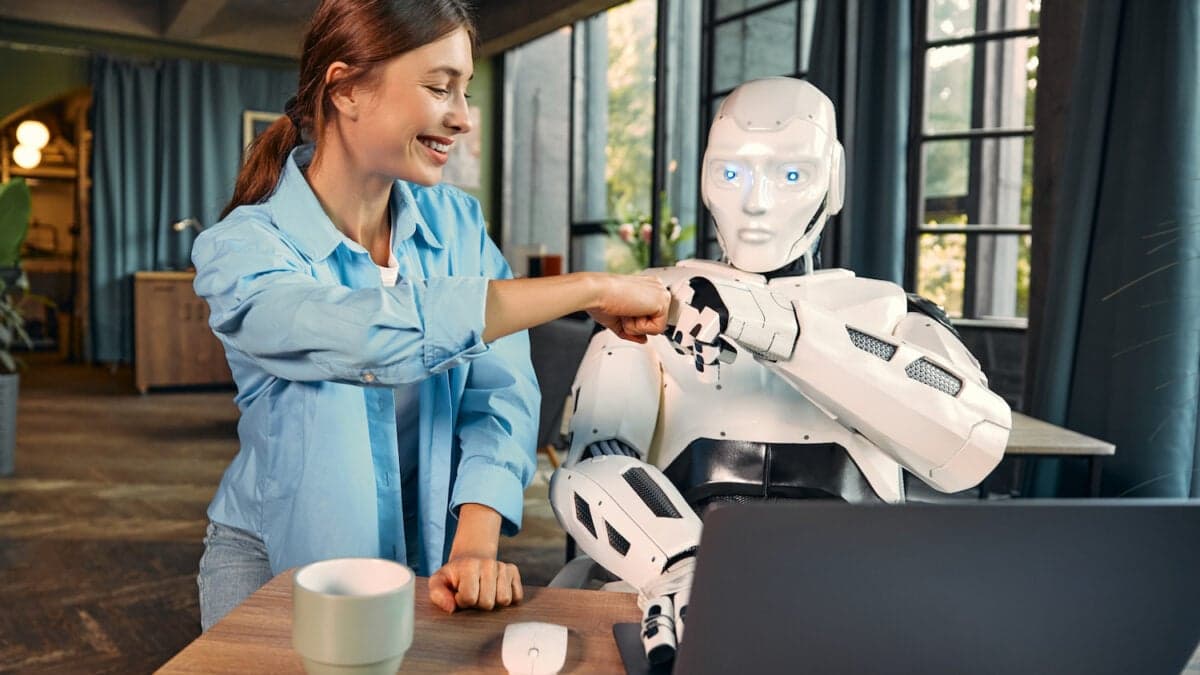
For job seekers, the experience can be unsettling. A reporter at The Verge, Hayden Field, described struggling to overcome the "uncanny valley" feeling of interacting with an AI avatar. Despite some platforms feeling more natural than others, the underlying sentiment was a persistent wish to be speaking with a human, highlighting the emotional and psychological gap AI currently cannot bridge in such sensitive interactions.
Beyond the Bot: AI's Shifting Role in the Workplace
The rise of AI in job interviews is just one facet of its broader impact on professional life. But that's not even the most interesting part; AI's influence is permeating various white-collar professions, reshaping tasks and demanding new skills. Anthropic, the developer of the AI chatbot Claude, has identified numerous white-collar roles as highly exposed to AI, signaling potential seismic shifts for professions from lawyers to sales representatives, according to CBS News.For example, in the legal sector, AI tools are being embraced by in-house legal teams for contract analysis. Ivo, a company focused on this niche, provides software to scan new contracts, identify problematic terms, and accelerate agreement processes. The market for AI-powered legal contract analysis and review is projected to grow from approximately $1.1 billion in 2023 to $4.9 billion by 2032, per Forbes. This shift allows legal professionals to focus on higher-value tasks, transforming how teams operate.
However, the ethical implications of AI in hiring remain a contentious issue. The controversial AI startup Cluely, which gained notoriety for an AI tool designed to help users "cheat" during interviews, faced a credibility crisis, highlighting the risks of misusing such technologies, according to Inc.. These controversies underscore the urgent need for clear ethical guidelines as AI becomes more integrated into critical processes.
While some fear AI as a job-killing machine, others see it as a powerful ally. HR Executive reports that AI is generally beneficial for improving job searches, making the candidate experience smoother, and aiding in faster job discovery. However, concerns persist in sectors like call centers, where legislation has been proposed to require transparency if an AI bot is handling customer service, allowing consumers to request a human agent, and protecting U.S. call-center jobs from AI displacement, as reported by Newsweek. The ongoing debate reflects a fundamental tension between efficiency gains and the protection of human jobs and interactions.